Essays
Building a Home That Welcomes People
July 2, 2026 · 5 min read
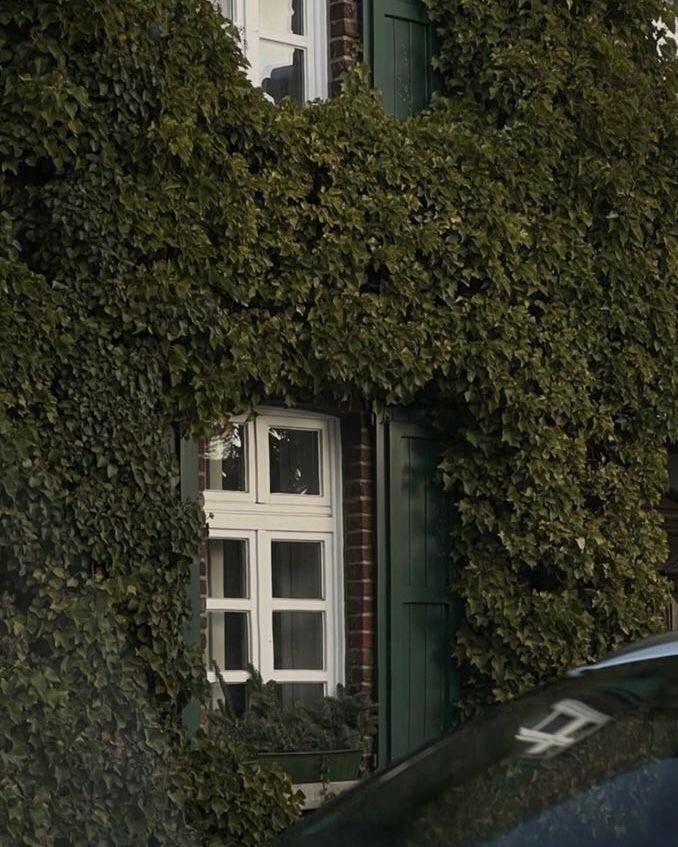
Why good hospitality is less about putting on a perfect performance—and more about making people feel expected.
I learned hospitality before I knew it had a name.

Essays
July 2, 2026 · 5 min read
Why good hospitality is less about putting on a perfect performance—and more about making people feel expected.
I learned hospitality before I knew it had a name.
I grew up in a house where people came over nearly every weekend.
These were not always elaborate dinner parties or carefully planned occasions. Sometimes family stopped by during the day. Sometimes friends came over in the evening. Other times, visiting someone was simply part of the weekend plan: run a few errands, stop by someone’s house, check on a relative, sit down for a while, and talk about the week.
Nothing about it felt out of the ordinary. It was simply how my parents maintained relationships and built community.
Looking back, I realize those casual gatherings shaped how I think about hospitality today. Hosting should feel natural to the person opening their home, and the people entering it should feel cared for, relaxed, and at ease.
That does not mean preparation is unnecessary. In fact, I believe the best hosts prepare precisely so that everything can feel effortless once their guests arrive.
Whenever John and I have people over, we each fall into our roles.
I choose the music. I try not to use the exact same playlist every time, although a few favorites inevitably make repeat appearances. I handle the lighting, while John takes care of the candles. We both work on the flowers because we are particular about our arrangements outside the house, and the inside is certainly no exception.
John is the better cleaner, so he usually takes charge of getting the house in order. While he does that, I set the table.
Even when we are not hosting a formal dinner, I like having the table prepared in advance. I may make a few changes before everyone arrives, but there is always a general idea or theme. I never want to enter a dinner party without a plan and then attempt to figure everything out while people are already in the house.
The details do not need to be elaborate. They simply need to communicate that you knew people were coming and that you are glad they are there.
That, to me, is the difference between allowing someone into your home and truly welcoming them.
Guests can tell when no thought has been given to their arrival. The house may be cluttered, nothing may be ready, and the host may be so distracted by unfinished tasks that they never become part of their own gathering.
Preparation should serve the gathering. It should not become the gathering.
Of course, close friends and family understand that life happens. Not every visit requires a perfectly polished house. But when you have invited someone into your home, they should feel invited.
They should feel expected.
One of the biggest misconceptions about hosting is that everything must be perfect before you can begin.
People convince themselves that their house is not nice enough. They do not own the right dinnerware or flatware. They cannot cook an elaborate meal. They do not have enough space, or they assume bringing people together will cost too much.
But hospitality is not about presenting a flawless home. It begins with being comfortable in your own space.
When you enjoy your home and feel at ease within it, your guests feel that too. They are not inspecting whether every chair matches or whether the meal required two days of preparation. They are responding to the atmosphere you created and the way you made them feel.
A gathering can be as simple as inviting one or two friends over to catch up.
Perhaps a new café has opened nearby and you have wanted to try it. Pick up a few baked goods, bring them home, make coffee, put on some music, and invite a friend over.
There is your gathering.
You do not need to transform an ordinary afternoon into a production. Sometimes the ordinary afternoon is the entire point.
One of my favorite memories of bringing people together happened shortly after John and I moved into our current home.
Our families were in town for Thanksgiving, and everyone was excited about our new beginning. The house, however, was only about halfway furnished. We did not yet have every piece we wanted. The dining set was not complete, the chairs did not all match, and some of the rugs and finishing touches were still missing.
We could have decided that the house was not ready.
Instead, we hosted Thanksgiving.
And it was wonderful.
No one cared that every room was not finished. Our family was simply happy to be together and excited to share the moment with us. In a way, the unfinished house made the gathering even more meaningful. Everyone felt as though they were part of the beginning of our life there.
That Thanksgiving reinforced something I already believed:
A home does not need to be complete before it can be generous.
People remember how they felt in your home far more than they remember whether every detail was perfectly coordinated.
Hospitality is sometimes treated as though it belongs primarily to women.
Women have certainly set a high standard—and, frankly, many have perfected it. But the ability to welcome people well should also belong in the modern gentleman’s repertoire.
A modern gentleman should know how to receive people, put them at ease, offer them something to eat or drink, and create an environment where conversation can happen naturally.
These skills belong alongside dressing well, communicating thoughtfully, and carrying yourself with confidence.
You can invite friends over for cards, a game, drinks, or a conversation about the week. You can host other couples for dinner. You can organize a full 15-person gathering with several courses.
Hospitality is what you make it.
More importantly, it is an extension of your personal style.
Personal style is not limited to the clothing you wear. It can be seen in the music you select, the way you set a table, the food you serve, the objects you keep in your home, and the care you show the people around you.
Your taste should not be expressed only through what you own. It should also be expressed through generosity.
That is part of the broader thinking behind Thomas Alan. Dressing well matters, but so does how you show up in your relationships and within your community. A well-lived life is not only about how you look or what surrounds you.
It is also about how people feel in your presence.
A welcoming home does not need to be large, expensive, or perfectly finished. It simply needs to make people feel that there is a place for them.
Start with the home you have. Invite one or two people you care about. Put on some music, offer them something to eat or drink, and give them your attention.
You do not need to wait for a grand occasion.
The modern gentleman does not merely open his door.
He makes people glad they walked through it.
What is the one detail that instantly makes you feel welcome in someone else’s home?
Thomas Alan Store Mix
The soundtrack of the shop